The supply chain remains one of the most critical pillars of any business dealing with physical goods. Even if you excel in marketing, maintain a seamless ordering process, or deliver exceptional customer service, these efforts can fall short if your customers do not receive their shipments on time. Inventory gaps, delays, and operational errors can affect profitability, timelines, and overall customer satisfaction.
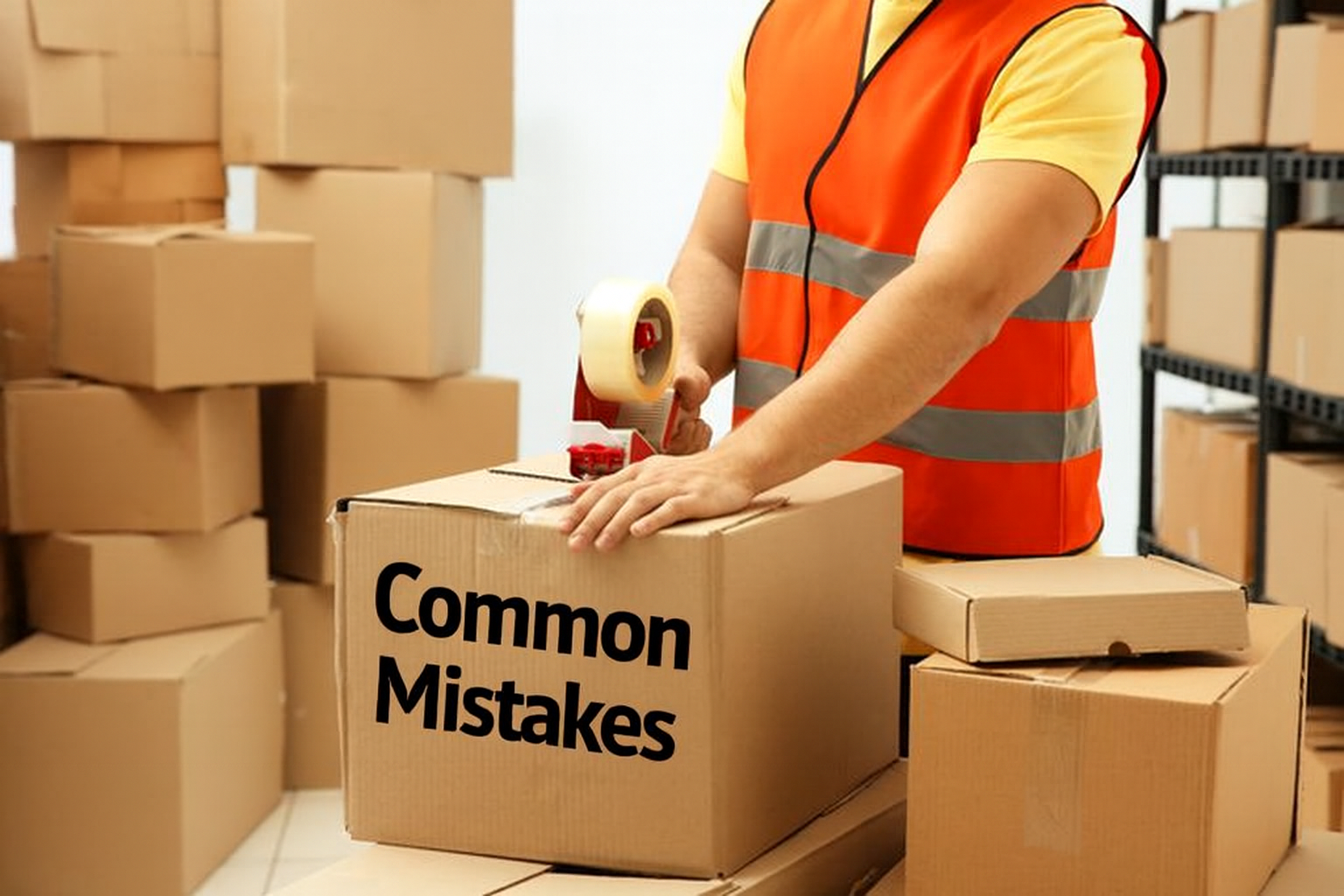
Mistakes in logistics are natural, but leaving them unresolved can lead to recurring losses and reputational risks. To help businesses stay ahead, here are some of the most common logistics and warehousing mistakes—and how to proactively avoid them.
1: Lack of Structured Planning & Organized Operations
Many small and mid-sized businesses manage storage, packing, and shipment manually. While this gives teams familiarity with their inventory, it also creates vulnerabilities—especially when staffing shortages occur or operations begin to scale.
A proper logistics structure requires:
- Clear roles and responsibilities
- Standard operating procedures (SOPs)
- A reliable warehouse management process
- A system that assigns unique item codes and tracks quantity, movement, and expiry
Without this foundation, even simple operational gaps can disrupt delivery timelines.
2: Limited Understanding of Regulatory Requirements
Compliance plays a huge role in logistics. Many businesses struggle with regulatory requirements related to:
- Hygiene and sanitary control
- Storage of baby products or medical supplies
- Special permits for hazardous or dangerous goods (DG)
- Customs documentation and clearance regulations
A small compliance error can lead to penalties, delayed shipments, or even confiscation of goods.
Understanding regulatory frameworks—especially for UAE and GCC trade routes—is essential for smooth supply chain operations.
3: Using an Inadequate or Non-existent IT System
Some businesses avoid investing in the right logistics software due to budget constraints. However, the absence of an efficient IT system can result in:
- Duplicate orders
- Inventory miscalculations
- Inaccurate picking and packing
- Delayed replenishment
- Poor communication with e-commerce platforms
- Customer dissatisfaction due to lack of shipment tracking
A unified system for inventory, tracking, and documentation reduces errors and ensures accurate order fulfilment.
4: Poor or Unsafe Packaging
Packaging directly determines the safety of goods during transport. Incorrect or low-quality packaging can lead to breakage, spoilage, or product returns.
Proper packaging involves:
- Choosing suitable materials (wooden crates, pallets, bubble wrap, steel drums, etc.)
- Securing items within containers
- Training staff on packing techniques
- Ensuring DG or temperature-sensitive cargo is packaged according to standards
A well-trained logistics team minimizes transit damage and enhances customer satisfaction.
5: Inability to Scale Logistics Operations
Scalability is often overlooked, especially by growing businesses. Operating with too much or too little stock can result in:
- Excessive warehousing costs
- Stock shortages during peak demand
- High operational expenses
- Wasted storage space
Using forecasting tools, reorder systems, and professional warehousing support ensures that restocking happens at the right time and in the right quantities.
6: Lack of Shipment Tracking Tools
Modern customers expect real-time shipment updates. Without a reliable tracking system, businesses may face:
- Increased customer complaints
- Repeated follow-up calls
- Unverified claims of non-delivery
- A lack of visibility into supply chain bottlenecks
Advanced tracking tools allow both businesses and customers to monitor shipments—improving transparency and trust.
Overcome Your Logistics Challenges with the Right 3PL Partner
Managing logistics internally becomes more complex as a business grows. Without expert knowledge, advanced tools, or adequate manpower, small mistakes can snowball into major disruptions.
This is where Cannata Worldwide Cargo Services LLC becomes your ideal logistics partner.
With decades of regional and global expertise, Cannata delivers reliable and customized end-to-end logistics solutions designed to keep your supply chain running efficiently—including:
- 3PL & Warehousing Solutions (Dubai & GCC)
- Distribution & Last-mile Delivery
- Customs Clearance (All UAE Ports & Freezones)
- Road Freight (FTL/LTL) Across GCC
- Air & Sea Freight Forwarding
- Importer of Record (IOR) Solutions
- Cargo Handling & Specialized Project Logistics
Our team ensures accuracy, transparency, compliance, and timely execution—helping you avoid costly logistics mistakes while focusing on expanding your business.