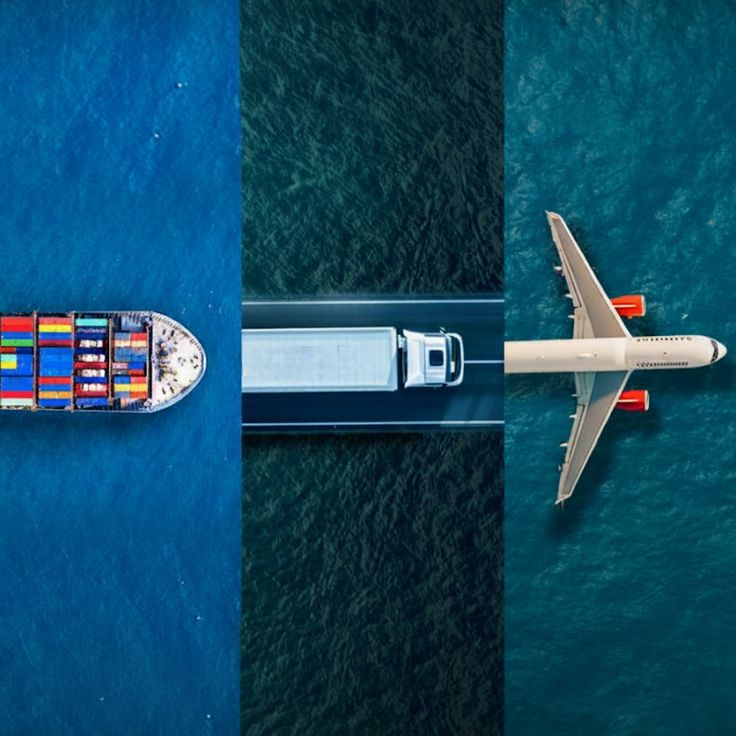
Handling the complexities of global cargo movement requires a smart, well-structured logistics strategy—especially when operating from a major trade hub like Dubai. Choosing between land, air, and sea freight is not just about transportation; it’s a strategic business decision that impacts your budget, delivery timelines, and customer satisfaction.
Why Dubai Is a World-Class Logistics Gateway
Dubai’s strategic location and advanced infrastructure make it one of the most important logistics hubs globally. The city’s freight ecosystem is powered by three major pillars:
- Jebel Ali Port – the largest seaport in the Middle East
- Al Maktoum International Airport (DWC) and Dubai International Airport (DXB) – major global air cargo gateways
- A modern, integrated highway network connecting the UAE to GCC markets
Together, these systems support smooth and reliable freight forwarding and cargo movement across global trade lanes.
A major advantage is the Dubai Logistics Corridor (DLC)—a dedicated connection between Jebel Ali Port, JAFZA, and DWC. This corridor enables sea-to-air cargo transfer in under one hour, giving businesses exceptional flexibility, especially when speed is critical.
Land Transport in Dubai
For companies operating within the UAE and the wider GCC region, land freight is often the most practical, economical, and flexible solution.
Advantages of Land Transport
✔ Cost-Effective: For short and medium distances, land freight is significantly cheaper than air freight and often more economical than sea freight due to low handling and no port fees.
✔ Door-to-Door Flexibility: Land transport is the only mode that provides true door-to-door delivery, eliminating the need for second-stage distribution services.
✔ Fast for GCC Routes: Although slower than air, trucks are extremely quick for GCC deliveries. A shipment from Dubai to Riyadh often arrives faster compared to sea freight alternatives.
✔ Ideal for Heavy or Oversized Cargo: Road freight supports heavy machinery, building materials, bulk shipments, and high-volume FMCG goods.
Challenges of Land Transport
- Limited to GCC and nearby regions
- Truck capacity is lower than sea containers
- Border customs clearance requires precise documentation
Air Freight in Dubai
When time is critical, air cargo is the fastest and most reliable freight option. Dubai’s airports move millions of tonnes of air cargo annually and serve as vital global connections.
Advantages of Air Freight
✔ Fastest Transit Time: Air freight delivers goods internationally in 1–7 days, making it perfect for urgent, high-value, or perishable goods such as electronics, pharmaceuticals, and fresh produce.
✔ High Security: Airports implement strict safety protocols, reducing risks of theft or damage.
✔ Reliable Schedules: Airlines operate with fixed timetables, ensuring predictable and accurate delivery planning.
Challenges of Air Freight
- The most expensive mode of transport
- Strict size and weight limitations
- Higher environmental impact compared to land and sea
Sea Freight in Dubai
For large, non-urgent shipments, sea freight is the most economical option. With Jebel Ali Port being one of the world's busiest, Dubai is a central hub for importers and exporters.
Advantages of Sea Freight
✔ Highly Economical: Sea freight is the cheapest choice for big shipments. Which makes it great for bulk goods, raw materials, and products that do not need to be on time.
✔ Massive Capacity: Sea freight handles thousands of tonnes in a single voyage—ideal for bulk goods, raw materials, and large commercial orders.
✔ Environmentally Friendly: Sea transport has the lowest carbon footprint per tonne of cargo moved.
Challenges of Sea Freight
- Slow transit times (14–42 days depending on route)
- Possible delays due to weather, port congestion, or customs issues
- More handling steps, leading to slightly higher risk
Which Transport Mode Should You Choose?
The most efficient solution based on shipment urgency, cargo type, destination, and budget. Air freight is ideal for time-critical or high-value goods, offering fast transit and global reach. Sea freight provides the most cost-effective option for large or bulky shipments, especially for long-distance trade. Road freight delivers flexibility and door-to-door convenience across the GCC, while multimodal transport combines the strengths of multiple modes to reduce delays and optimize cost.
Conclusion
Choosing between land, air, and sea freight in Dubai depends on your priorities—speed, cost, cargo size, or destination. By leveraging Dubai’s logistics advantages and partnering with a trusted freight forwarder like Cannata Worldwide Cargo Services LLC, you can build a customized shipping strategy that keeps your supply chain efficient and competitive.
To get a tailored quote for your shipment:
Visit www.cannata.ae or fill out the quick quote form on our website.