
Contents
In today’s fast-moving global trade environment, businesses constantly move goods across borders, markets, and regions. Managing these shipments efficiently while controlling costs is one of the biggest challenges for importers, exporters, and distributors.One of the most effective logistics solutions that supports international trade is the bonded warehousing system.
In today’s fast-moving global trade environment, businesses constantly move goods across borders, markets, and regions. Managing these shipments efficiently while controlling costs is one of the biggest challenges for importers, exporters, and distributors.
One of the most effective logistics solutions that supports international trade is the bonded warehousing system. This system allows companies to store goods under customs supervision without immediately paying import duties or taxes.
For businesses involved in re-export or regional distribution, bonded warehouses provide a strategic advantage. Instead of paying duties upfront on goods that may later be shipped to another country, companies can store cargo temporarily, maintain cash flow, and make smarter market decisions.
For logistics providers like Cannata, bonded warehousing plays a key role in supporting efficient supply chain operations for clients trading across the UAE, GCC, and global markets.
What Does “Bonded” Mean in Logistics?
In logistics and customs terminology, the term “bonded” refers to goods that are stored or transported under customs supervision while duties and taxes are temporarily suspended.
This means the cargo has arrived in a country but has not yet been fully cleared for domestic circulation. Instead, it remains under customs control until the importer decides whether the goods will enter the local market or be re-exported to another destination.
Key characteristics of bonded goods include:
Goods remain under customs supervision
Import duties and taxes are deferred
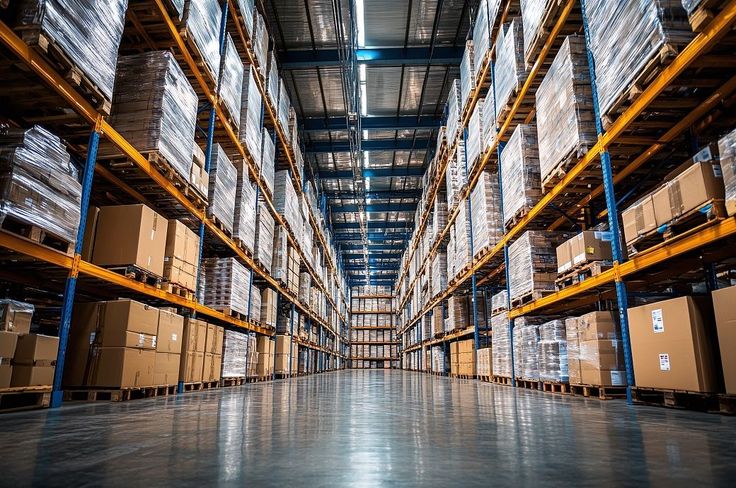
Cargo can be stored in licensed bonded warehouses
Final customs clearance is completed only when goods enter the local market
If the goods are eventually released for sale within the country, the required duties must be paid. However, if the cargo is re-exported to another country, import duties are typically not applied.
This system makes bonded warehousing particularly valuable for businesses engaged in international trade or transit operations.
How the Bonded Warehousing System Works
The bonded system operates through a structured customs process designed to provide flexibility while maintaining regulatory control.
1. Arrival of Cargo
Goods arrive at a seaport or airport and are registered with customs authorities upon arrival.
2. Document Verification
Customs officials review the shipment documentation, including invoices, packing lists, and transport documents. At this stage, duties are not required to be paid immediately.
3. Transfer to a Bonded Warehouse
Instead of clearing the cargo directly into the local market, the goods are transported to a licensed bonded warehouse where they remain under customs supervision.
4. Storage and Operational Flexibility
While stored in a bonded warehouse, businesses can perform several operational activities such as:
Storing cargo for a specified period
Splitting shipments for multiple destinations
Repacking or relabeling goods
Preparing cargo for redistribution
Holding inventory until market demand improves
Re-exporting part or all of the shipment
5. Final Customs Decision
The importer eventually decides how the cargo will be handled:
Local distribution: Import duties and taxes are paid, and goods are cleared for the domestic market.
Re-export: Cargo is shipped to another country without paying local import duties.
This process provides flexibility for traders and reduces financial pressure during international transactions.
Types of Bonded Warehouses
Bonded warehouses can be structured in different ways depending on business needs and regulatory frameworks.
Public Bonded Warehouses
Public bonded warehouses are operated by logistics companies or government-licensed providers and can be used by multiple businesses.
Advantages include:
Cost-effective storage solutions
Shared infrastructure
Access to logistics services such as repacking and inventory management
However, operational control may be limited compared to private facilities.
Private bonded warehouses are licensed facilities operated by a single company for its own cargo operations.
Benefits include:
Full control over warehouse operations
Customized inventory management systems
Greater flexibility in cargo handling
However, these facilities require higher investment and strict compliance with customs regulations.
Bonded Warehousing in Free Zones
Many logistics hubs integrate bonded warehousing within United Arab Emirates free zones, where businesses benefit from additional trade advantages such as:
Duty exemptions
Simplified customs procedures
Efficient re-export operations
These zones are particularly suitable for companies operating regional distribution centers.
Specialized Bonded Warehouses
Certain bonded warehouses are designed for specific types of cargo that require specialized storage conditions.
Examples include facilities for:
Temperature-controlled food products
Pharmaceuticals and medical supplies
Chemicals and hazardous materials
High-value electronics
These warehouses comply with strict safety and regulatory standards to protect both goods and supply chains.
Key Benefits of Bonded Warehousing
Bonded warehouses provide several operational and financial advantages for businesses involved in international trade.
Deferred Customs Duties
Companies can postpone duty payments until goods are released into the domestic market.
Improved Cash Flow
By delaying customs payments, businesses can preserve capital and invest resources into operations, expansion, or new markets.
Re-Export Advantages
If goods are re-exported, import duties are typically not required, making bonded warehouses ideal for transit trade.
Reduced Market Risk
Businesses can store goods until market demand becomes clearer before deciding to distribute or re-export them.
Efficient Inventory Management
Bonded warehouses allow sorting, labeling, and redistribution of cargo according to market needs.
Lower Port Costs
Cargo can be moved quickly out of ports into warehouses, helping companies avoid demurrage and storage fees.
Challenges of the Bonded System
Despite its benefits, the bonded system requires careful management and compliance.
Common challenges include:
Strict customs supervision and documentation requirements
Operational complexity in managing bonded cargo
Storage and handling costs over extended periods
Time limits for how long goods can remain bonded
Restrictions on certain categories of goods
Because of these factors, businesses often rely on experienced logistics providers to manage bonded operations efficiently.
When Should Businesses Use Bonded Warehousing?
Bonded warehouses are particularly useful for companies involved in:
International trading operations
Re-export and transit trade
Large-volume imports requiring staged distribution
Multi-destination shipments
Seasonal products with fluctuating demand
Businesses seeking to optimize cash flow and inventory control
For trading hubs and logistics centers, bonded warehouses serve as a critical component of supply chain efficiency.
Partner with Cannata for Bonded Logistics Solutions
For businesses trading across the Middle East and global markets, bonded warehousing offers a strategic advantage in managing cargo efficiently and reducing financial pressure.
At Cannata, we provide integrated logistics solutions including bonded warehousing, customs clearance, freight forwarding, and GCC transportation support.
Our experienced logistics professionals help businesses manage documentation, regulatory compliance, cargo storage, and re-export operations with efficiency and reliability.
Looking to optimize your re-export or transit trade operations?
Contact Cannata Worldwide Cargo Services LLC today to learn how our logistics expertise can support your bonded warehousing and global shipping needs.