
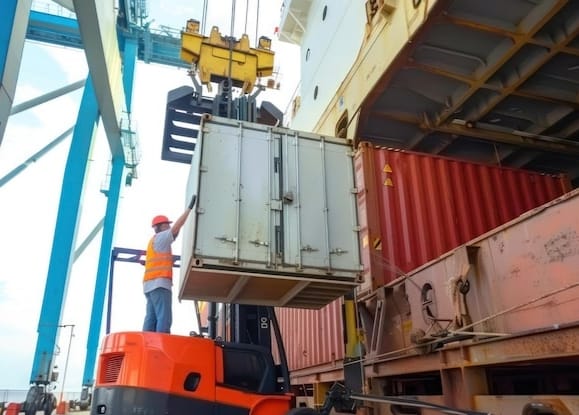
Two Jobs, Not One Reversed
Import and Export Ocean Freight
An import is a race against terminal charges: the vessel arrives, the clock starts, and everything depends on how quickly the entry clears and a truck appears. An export is a race against a cut-off: the cargo, the packing and the paperwork all have to be ready before a deadline that will not move. They need different planning, and treating them as one service run in reverse is how shippers get caught. Part of our sea freight services. Clearance is the half of an ocean shipment that most often causes delay, and how it works in Dubai explains what is needed and when.
Handled in Both Directions
Inbound and Outbound
The same company sees both sides, which matters for businesses that do both.
- Import bookings and arrival handling
- Export bookings against vessel cut-offs
- Customs entries in both directions
- Re-export of goods passing through
- Documentation for the consignee at the far end
- Road legs before departure and after arrival
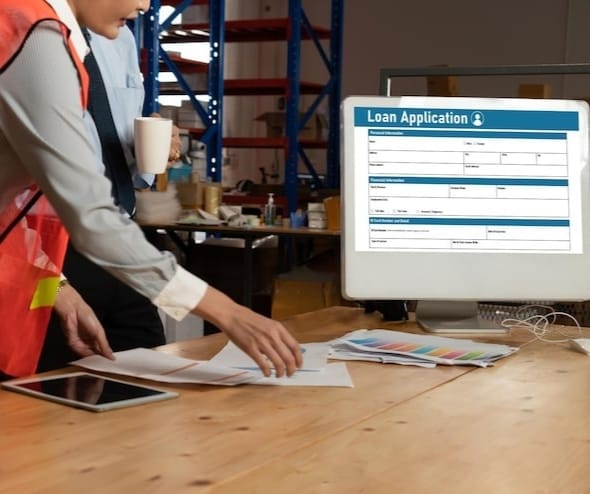
Shipping In, Out, or Both?
Tell us the direction, the ports and the cargo
Get an Ocean Freight Quote Call +971 4 239 7107Where Each Direction Goes Wrong
Import problems and export problems look nothing alike, and neither does the fix.
Imports: the clock
Demurrage and detention start on arrival whether or not you are ready. Filing the entry before the vessel berths is the single highest-value thing you can do.
Imports: nowhere to put it
A cleared container still needs somewhere to go. Without storage, cargo waits where waiting is most expensive.
Exports: the cut-off
Miss it and the cargo waits for the next sailing, which can be a week. Packing and documents have to be finished before, not around, the deadline.
Exports: the far end
Documentation that satisfies UAE customs may not satisfy the destination. Getting that wrong strands cargo somewhere you cannot easily reach.
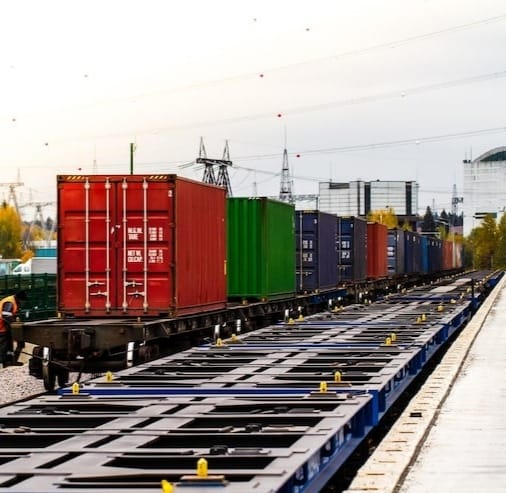
Who Ships Both Ways
Typical Requirements
Businesses that import and export usually end up with two providers and no reason for it.
-
Traders and distributors
Importing stock and re-exporting part of it, often through bonded storage so duty is only paid on what stays.
-
Manufacturers
Components in, finished goods out, on schedules that have to align with production.
-
Project shippers
Equipment imported for a project and exported again afterwards, which is a specific customs treatment rather than two ordinary shipments.
Why Cannata
One Company Sees the Whole Flow
Where the same goods come in and go out again, splitting the two halves across suppliers hides the thing that matters most - the duty position.
Entries both ways
Import and export declarations from the same team, so the treatment stays consistent.
Storage in between
Goods can wait in our own warehouses between an arrival and a later departure.
Road legs at the UAE end
Collection and delivery on our own fleet rather than a separate haulier at each end.
Rate Request
Get a price for this shipment
Give us the route and the cargo and we will come back with a rate, usually within one working day.
Our FAQs
Frequently Asked Questions
What shippers ask about inbound and outbound freight.