

Not One Car, and Not Once

Commercial and Industrial Vehicle Handling
Commercial vehicles create a different problem from cars. They are heavy enough to need the right trailer, slow enough that driving them is genuinely expensive, and they usually come in numbers - a fleet transfer, a depot relocation, plant moving between sites. That makes it a planning job as much as a driving one, and it overlaps with our heavy equipment transport where the units are not road-legal.
What We Move
Commercial and Industrial Units
Anything on wheels that is not a passenger car.
- Trucks, tractors and rigid vehicles
- Trailers and semi-trailers
- Buses and coaches
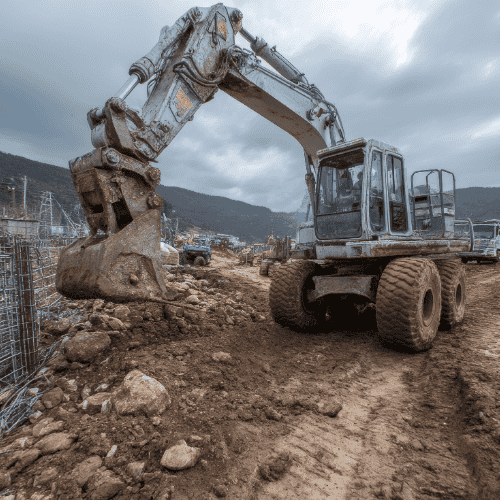
- Wheeled construction plant
- Agricultural machinery
- Depot and fleet relocations

Moving a Fleet?
Tell us how many units, what they are and both sites
Plan a Fleet Move Call +971 4 239 7107Why Fleets Are Not Just Many Vehicles
Moving twenty vehicles is not twenty times moving one, and treating it that way is where fleet transfers go wrong.
Sequence matters
Which units move first decides whether the receiving site can function during the transfer. Moving them in arrival order is rarely the right answer.
Some run, some do not
A mixed fleet almost always includes units that cannot be driven, and those need a transporter and a lifting plan rather than a driver.
Both sites have limits
Space to load and space to receive constrain how many units can move in a day, more often than transport capacity does.
Documentation per unit
Every vehicle carries its own registration and, on an export, its own paperwork - see RO-RO vehicle logistics.
Fleet moves cross borders too
Vehicles and plant moving to a site outside the UAE carry an export entry per unit on top of the transport - see cross-border trucking for the road leg into the GCC.
How Units Travel
Driven, Towed or Carried
The method follows the condition and the legality of each unit rather than a single decision for the fleet.
-
Driven where practical
Road-legal, running units with valid documents can move under their own power when distances are short.
-
Carried on transporters
Non-runners, unregistered units and anything better off the road travel on our own trailers.
-
Low-bed for the heavy end
Plant and oversized units on low-beds with lifting arranged - see oversized handling.
Why Cannata
A Fleet Is a Project, Not a Booking
The companies that struggle with fleet moves are the ones that quoted per vehicle and never looked at the sequence.
Our own transporters
Capacity from our own fleet, so a multi-day transfer is scheduled rather than negotiated daily.
Lifting where needed
Non-runners and plant handled with the right equipment rather than improvised.
Planned as a sequence
The order units move in is decided against what each site needs to keep working.
Rate Request
Get a price for this shipment
Give us the route and the cargo and we will come back with a rate, usually within one working day.
Our FAQs
Frequently Asked Questions
What operators ask about commercial vehicle moves.