
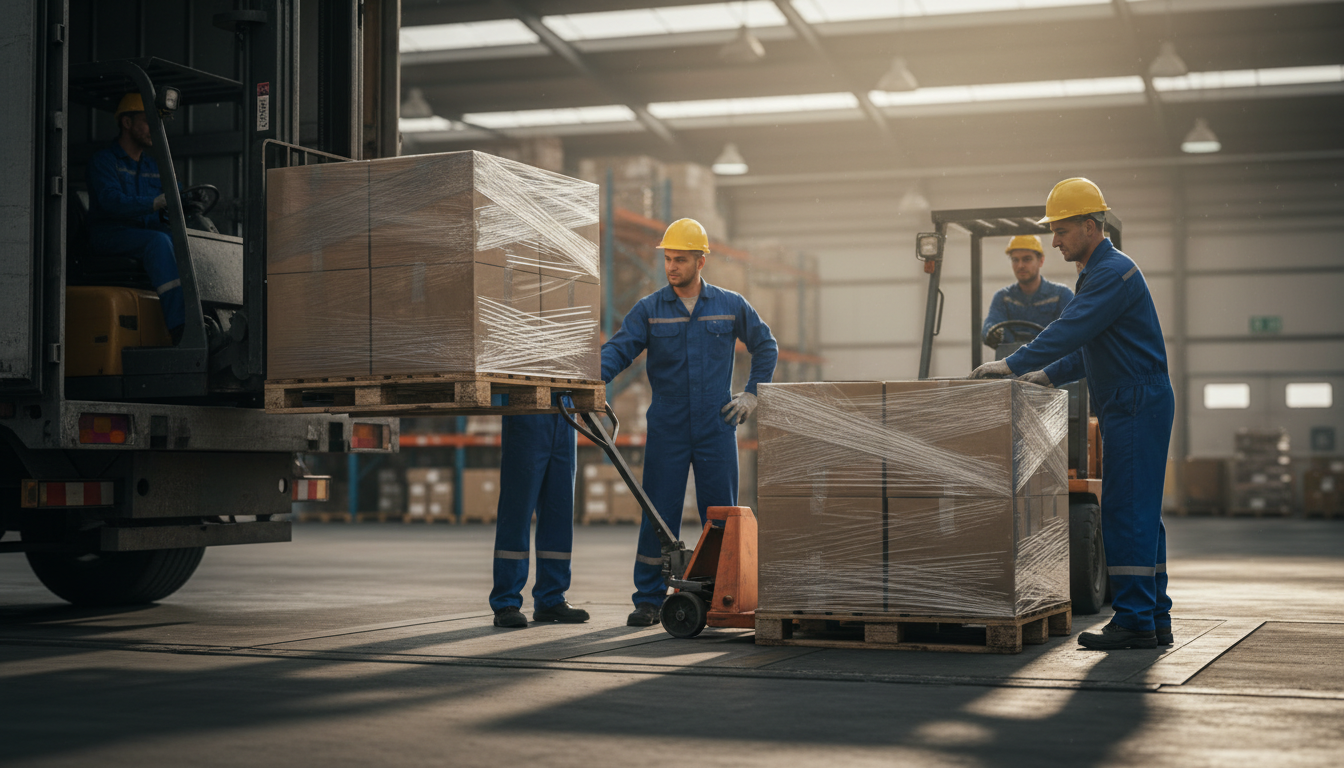
Cargo Arrives Packed for the Wrong Journey
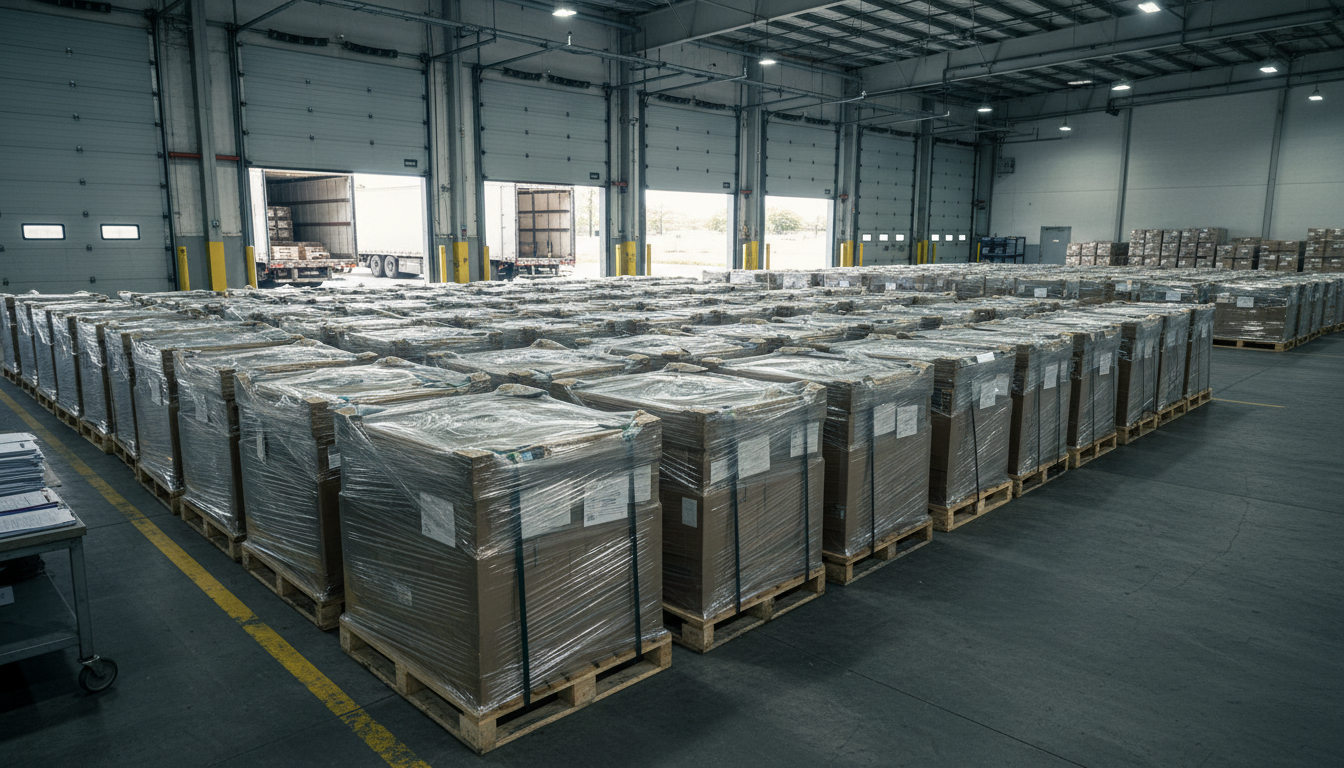
Palletising and Repacking in Dubai
Goods are usually packed for the trip they have just finished, not the one ahead. Loose cartons that travelled fine in a container will not survive being handled four more times, and cargo that cannot be stacked wastes the height of a warehouse and the deck of a truck. Palletising and repacking fixes both, and it happens in the same warehouse the goods are already sitting in.
What Gets Done
Work Carried Out on the Cargo
The aim is a unit that can be handled, stacked and moved without anyone thinking about it.
- Loose cartons stacked onto pallets
- Shrink wrapping and strapping
- Corner protection and edge boards
- Consolidating part-consignments into one unit
- Breaking bulk into smaller units
- Re-marking and labelling after repacking
Cargo That Needs Repacking?
Tell us what it is and how it arrived
Get a Repacking Quote Call +971 4 239 7107Why It Is Worth Doing
This looks like a cost until you count what unpalletised cargo actually costs downstream.
Less damage in handling
Every extra handling is a chance to drop something. A wrapped, strapped pallet moves as one unit instead of as forty separate opportunities.
Better use of space
Stackable units use warehouse height and trailer deck properly, which shows up directly in storage and freight costs.
Faster loading and unloading
A pallet moves in one forklift action. Loose cartons move by hand, and the labour is charged either way.
It travels better cross-border
Cargo crossing borders is handled and inspected more, so it needs to be more robust. See cross-border trucking.
Repacking after inspection
Cargo opened for a customs or quality inspection rarely goes back together as well as it came apart. Restacking, re-wrapping and re-marking it properly before it continues is usually the difference between a clean delivery and a damage claim.
When It Is Needed
Typical Reasons
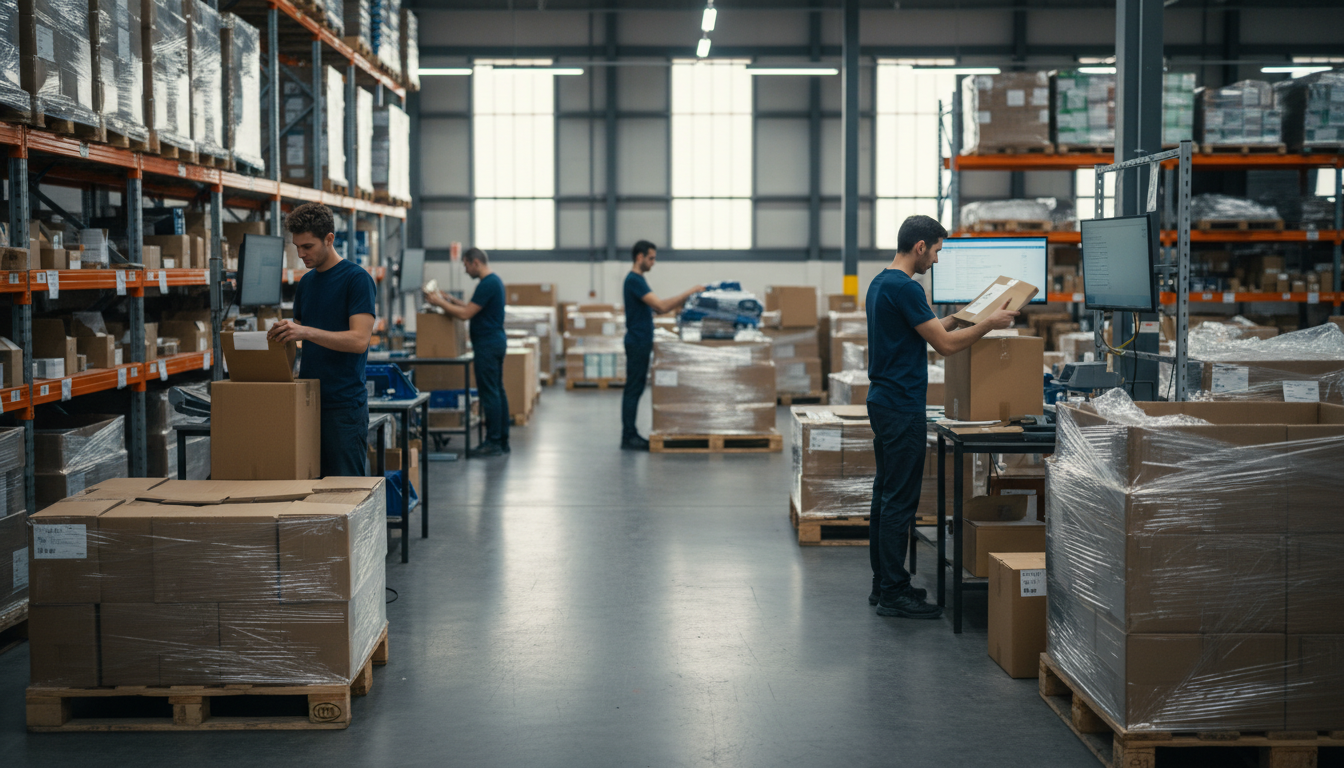
Most repacking requests come from one of three situations.
-
Cargo arrived loose
Container-stuffed goods that need palletising before they can be stored or trucked efficiently.
-
Consignments being combined
Several arrivals consolidated into single units before onward shipment, often alongside cross stuffing.
-
Goods needing protection
Items whose packing is not adequate for further handling - see professional packing for full crating.
Why Cannata
Done Where the Goods Already Are
Repacking at a separate facility means two extra movements, which is often more than the repacking itself costs. Handled at Umm Ramool, minutes from the airport, which is what makes short turnarounds possible.
In our own warehouses
Work carried out where the cargo is stored, so there is no round trip to a third-party packer.
Materials on site
Pallets, wrap, strapping and protection held in stock rather than ordered in when a job appears.
Straight onto the truck
Repacked units go directly onto our own vehicles for the next leg.
Rate Request
Get a price for this shipment
Give us the route and the cargo and we will come back with a rate, usually within one working day.
Our FAQs
Frequently Asked Questions
What customers ask about palletising and repacking.